
Hoy, Dwarfie Stane


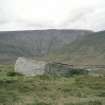
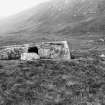
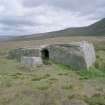
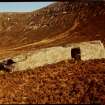
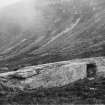
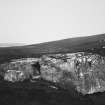
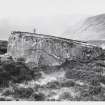
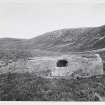
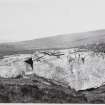
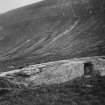
View from SE
View in Canmore
View in Canmore

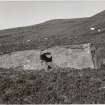
Graffito on S face R Lamb
View in Canmore
View in Canmore

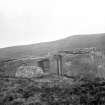
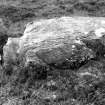
REJECTED (?) blocking stone R Lamb
View in Canmore
View in Canmore

REJECTED (?) blocking stone R Lamb
View in Canmore
View in Canmore

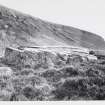
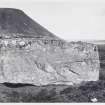
From W R Lamb
View in Canmore
View in Canmore

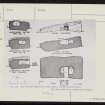
Dwarfie Stane, Hoy,Orkney A.M Survey
View in Canmore
View in Canmore

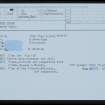
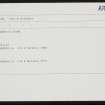
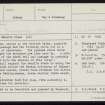
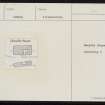
Hoy, Dwarfie Stane, HY20SW 8, Ordnance Survey index card, Recto
View in Canmore
View in Canmore

View from N
View in Canmore
View in Canmore

Photograph of the sealing stone.
Glass negative.
View in Canmore
View in Canmore

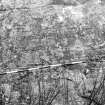
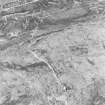
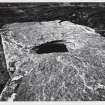
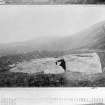
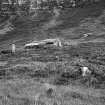
Aerial view of Orkney, Hoy, taken from the S, of the Dwarfie Stane.
View in Canmore
View in Canmore

Dwarfie Stane, Hoy,Orkney A.M Survey
View in Canmore
View in Canmore

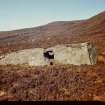
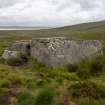
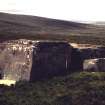
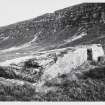
View from SSW
View in Canmore
View in Canmore

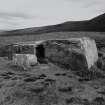
View from W
View in Canmore
View in Canmore

View from W
View in Canmore
View in Canmore

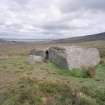
View of the Dwarfie Stane, Hoy.
View in Canmore
View in Canmore

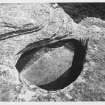
Oblique aerial view centred on the Dwarfie Stane chambered cairn, taken from the NW.
View in Canmore
View in Canmore

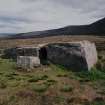
View from SW
View in Canmore
View in Canmore

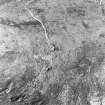
Oblique aerial view.
View in Canmore
View in Canmore

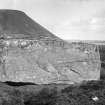
Graffito on S face by Major William Mouncey, 1850 R Lamb
View in Canmore
View in Canmore

Dwarfie Stane, Hoy,Orkney Gen views
View in Canmore
View in Canmore

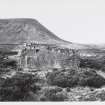
Dwarfie Stane
View in Canmore
View in Canmore

Dwarfie Stane, Hoy,Orkney
View in Canmore
View in Canmore

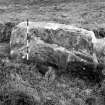
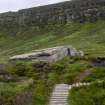
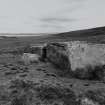
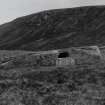
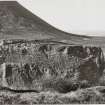
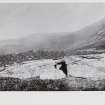
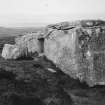
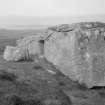
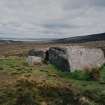
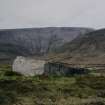
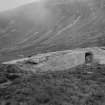
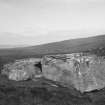
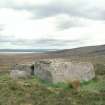
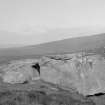
General view.
View in Canmore
View in Canmore

Hoy, Dwarfie Stane, HY20SW 8, Ordnance Survey index card, Recto
View in Canmore
View in Canmore

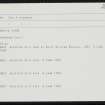
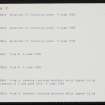
Hoy, Dwarfie Stane, HY20SW 8, Ordnance Survey index card, page number 2, Recto
View in Canmore
View in Canmore

View from SW
View in Canmore
View in Canmore

View from SW
View in Canmore
View in Canmore

View from SW
View in Canmore
View in Canmore

Hoy, Dwarfie Stane.
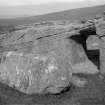
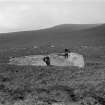
General view of Dwarfie Stane with figure seated on top.
View in Canmore
View in Canmore

General oblique aerial view lookings towards the White Glen, Hoy, taken from the N.
View in Canmore
View in Canmore

Oblique aerial view centred on the Dwarfie Stane chambered cairn, taken from the SW.
View in Canmore
View in Canmore

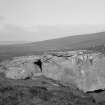
General view.
View in Canmore
View in Canmore

Graffito on S face R Lamb
View in Canmore
View in Canmore

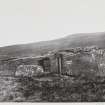
From S, showing isolated boulders which appear to be remains of a sub peat dyke R Lamb 1985
View in Canmore
View in Canmore

Dwarfie Stane, Hoy,Orkney A.M Survey
View in Canmore
View in Canmore

Dwarfie Stane, Hoy,Orkney A.M Survey
View in Canmore
View in Canmore

Dwarfie Stane, Hoy,Orkney Gen views
View in Canmore
View in Canmore

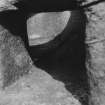
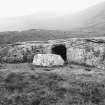
View through entrance into the north cell.
View in Canmore
View in Canmore

Hoy, Dwarfie Stane, HY20SW 8, Ordnance Survey index card, Recto
View in Canmore
View in Canmore

Hoy, Dwarfie Stane, HY20SW 8, Ordnance Survey index card, Recto
View in Canmore
View in Canmore

View from SSW
View in Canmore
View in Canmore


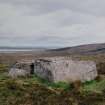
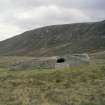
View of chambered cairn from the south-west.
View in Canmore
View in Canmore

View from SSW
View in Canmore
View in Canmore

Dwarfie Stane, Hoy,Orkney A.M Survey
View in Canmore
View in Canmore

Dwarfie Stane
View in Canmore
View in Canmore


(Inv figs 3,146) RCAHMS
View in Canmore
View in Canmore

View of chambered cairn from the south-west.
View in Canmore
View in Canmore

Hoy, Dwarfie Stane, HY20SW 8, Ordnance Survey index card, Recto
View in Canmore
View in Canmore

Hoy, Dwarfie Stane, HY20SW 8, Ordnance Survey index card, Recto
View in Canmore
View in Canmore

Hoy, Dwarfie Stane, HY20SW 8, Ordnance Survey index card, Verso
View in Canmore
View in Canmore

Hoy, Dwarfie Stane, HY20SW 8, Ordnance Survey index card, page number 3, Recto
View in Canmore
View in Canmore

View from SSW
View in Canmore
View in Canmore

View from SE
View in Canmore
View in Canmore

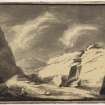
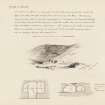
Sketch showing the Dwarfie Stane, Hoy, Orkney
View in Canmore
View in Canmore

View through entrance into the chamber.
View in Canmore
View in Canmore

Oblique aerial view centred on the Dwarfie Stane chambered cairn, taken from the SSW.
View in Canmore
View in Canmore

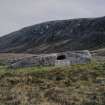
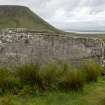
General view.
View in Canmore
View in Canmore

Oblique aerial view.
View in Canmore
View in Canmore

Oblique aerial view.
View in Canmore
View in Canmore

From W R Lamb
View in Canmore
View in Canmore

Dwarfie Stane, Hoy,Orkney A.M Survey
View in Canmore
View in Canmore

Dwarfie Stane, Hoy,Orkney A.M Survey
View in Canmore
View in Canmore

Dwarfie Stane
View in Canmore
View in Canmore

Dwarfie Stane, Hoy,Orkney General views
View in Canmore
View in Canmore

Dwarfie Stane, Hoy,Orkney
View in Canmore
View in Canmore

General view.
View in Canmore
View in Canmore

View from S
View in Canmore
View in Canmore

View from SE
View in Canmore
View in Canmore


Dwarfie Stane, Hoy.
View in Canmore
View in Canmore

View from SSW
View in Canmore
View in Canmore

Oblique aerial view.
View in Canmore
View in Canmore

Aerial view of Orkney, Hoy, taken from the S, of the Dwarfie Stane.
View in Canmore
View in Canmore

REJECTED (?) blocking stone R Lamb
View in Canmore
View in Canmore

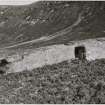
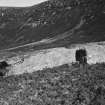
From S, showing isolated boulders which appear to be remains of a sub peat dyke R Lamb 1985
View in Canmore
View in Canmore

Dwarfie Stane, Hoy,Orkney A.M Survey
View in Canmore
View in Canmore

Dwarfie Stane, Hoy,Orkney A.M Survey
View in Canmore
View in Canmore

Dwarfie Stane, Hoy,Orkney A.M Survey
View in Canmore
View in Canmore

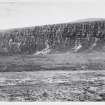
Rephotographed old print of Dwarfie Stane, Orkney
View in Canmore
View in Canmore

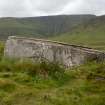
General view.
View in Canmore
View in Canmore

Hoy, Dwarfie Stane, HY20SW 8, Ordnance Survey index card, page number 1, Recto
View in Canmore
View in Canmore

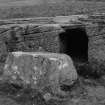
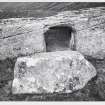
Detail of entrance
View in Canmore
View in Canmore

Aerial view of Orkney, Hoy, taken from the S, of the Dwarfie Stane.
View in Canmore
View in Canmore

General view.
View in Canmore
View in Canmore

View from W
View in Canmore
View in Canmore

Aerial view of Orkney, Hoy, taken from the NW, of the Dwarfie Stane, with the Dwarfie Hamars in the background.
View in Canmore
View in Canmore

Aerial view of Orkney, Hoy, taken from the S, of the Dwarfie Stane.
View in Canmore
View in Canmore

Dwarfie Stane, Hoy,Orkney A.M Survey
View in Canmore
View in Canmore
You may copy, display, store and make derivative works for personal use or use solely within an educational institution by staff and students, under these conditions: the ScotlandsPlaces website is attributed, there is no commercial use or sale, and no public distribution (for example, by hand, email, or web). Full licence details.
Details
Organisation: Historic Environment Scotland (HES)
Alternative name(s):
Canmore ID: 1597
Site type: Chambered Cairn (neolithic)
County: Orkney
Parish: Hoy And Graemsay
Council: Orkney Islands